Your dream bathroom in Sutton Forest isn't just about the tile choice; it's about the invisible infrastructure that keeps your family safe. When you're planning a bathroom renovation electrical Sutton Forest project, the stakes are high because water and electricity are a dangerous mix. Most homeowners feel the pressure of meeting the AS/NZS 3000:2018 safety standards while trying to modernise a space without losing its local character. It's a delicate balance to strike, especially when dealing with the unique wiring challenges often found in our region's older, heritage-style homes.
This guide provides a clear roadmap to help you plan a safe, energy-efficient, and stunning layout tailored specifically for Southern Highlands properties. You'll discover how to integrate modern luxuries like smart mirrors and layered LED lighting while ensuring your switchboard is up to the task. We'll also look at essential ventilation strategies to prevent mould in our damp climate and the importance of mandatory RCD safety switches. By the end, you'll have the confidence to create a contemporary sanctuary that is fully compliant, stylish, and built to last.
Key Takeaways
- Navigate strict AS/NZS 3000:2018 safety zones to ensure every light and power point is legally positioned away from water sources.
- Elevate your design using energy-efficient LED strip lighting and layered lighting strategies that provide both task clarity and a relaxing atmosphere.
- Combat cold Southern Highlands mornings with the right setup for programmable underfloor heating and safe, hard-wired heated towel rails.
- Ensure your bathroom renovation electrical Sutton Forest project accounts for regional challenges like heritage wiring and rural voltage stability.
- Protect your investment by calculating precise extraction rates for your exhaust fans to eliminate steam and prevent persistent mould growth.
Understanding Bathroom Electrical Zones and Safety Standards
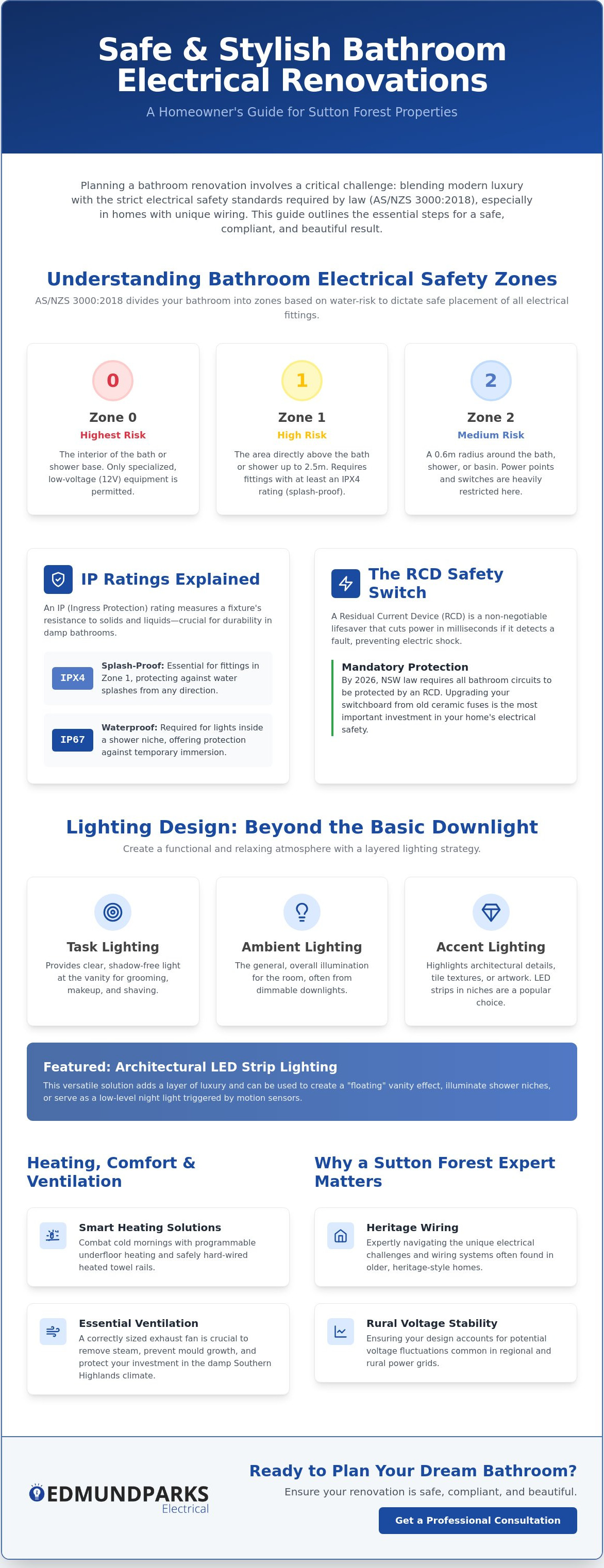
Safety isn't a suggestion; it's the law. Every bathroom renovation electrical Sutton Forest project must strictly follow AS/NZS 3000:2018. These are the mandatory "Wiring Rules" that dictate exactly where switches, lights, and power points can live. The rules divide your bathroom into specific zones based on the risk of water contact. Zone 0 is the interior of the bath or shower base where only specialized 12V equipment is allowed. Zone 1 covers the area directly above the bath or shower up to 2.5 metres. Zone 2 is the 0.6-metre radius around the bath, shower, or basin. Following bathroom electrical safety standards ensures your new retreat doesn't become a hazard. It's about protecting your family from the lethal combination of moisture and current.
IP Ratings Deciphered for Wet Areas
An IP rating is a measure of protection against solids and liquids. For a bathroom renovation electrical Sutton Forest, these numbers are your best friend. The first digit refers to protection against dust, while the second digit covers water resistance. In Zone 1, you'll typically need an IPX4 rating or higher to handle splashing water. For lighting installed inside a shower niche, you might look at IP67, which offers protection against temporary immersion. Beyond safety, choosing the right rating prevents internal corrosion. Sutton Forest's misty mornings and high humidity can quickly ruin cheap, unrated fixtures. High-quality LED strip lighting and heat lamps must be built to withstand these conditions to ensure they last for years.
The Necessity of RCDs and Safety Switches
Safety switches, or Residual Current Devices (RCDs), are non-negotiable. They monitor the flow of electricity and cut the power in milliseconds if they detect a leak to earth. This technology prevents electric shocks and saves lives. By 2026, NSW regulations require all bathroom circuits to be protected by an RCD. Many older homes in the Southern Highlands still rely on outdated ceramic fuses. These old systems often can't handle the load of modern luxuries like heated floors or high-powered exhaust fans. This is why many local projects start with switchboard upgrades. A modern switchboard provides the necessary foundation for safety and ensures your renovation meets current legal compliance. It's the most important investment you'll make in your home's electrical health.
Lighting Design: Beyond the Basic Downlight
Gone are the days when a single oyster light in the centre of the ceiling was enough. For a modern bathroom renovation electrical Sutton Forest project, we focus on layered lighting to create a space that is both functional and relaxing. A well-designed layout moves beyond basic downlights, which often cast harsh shadows over your face when you're looking in the mirror. Instead, we use a strategic mix of task, ambient, and accent lighting to define the room. Task lighting focuses on the vanity area, ensuring you have clear, shadow-free visibility for grooming. Ambient lighting provides the general glow, while accent lighting highlights architectural features or beautiful tile work. It's about mood. By integrating dimmers, you can shift from the bright, high-energy light needed for a morning shave to a soft, golden glow for a late-night soak.
Architectural LED Strip Lighting
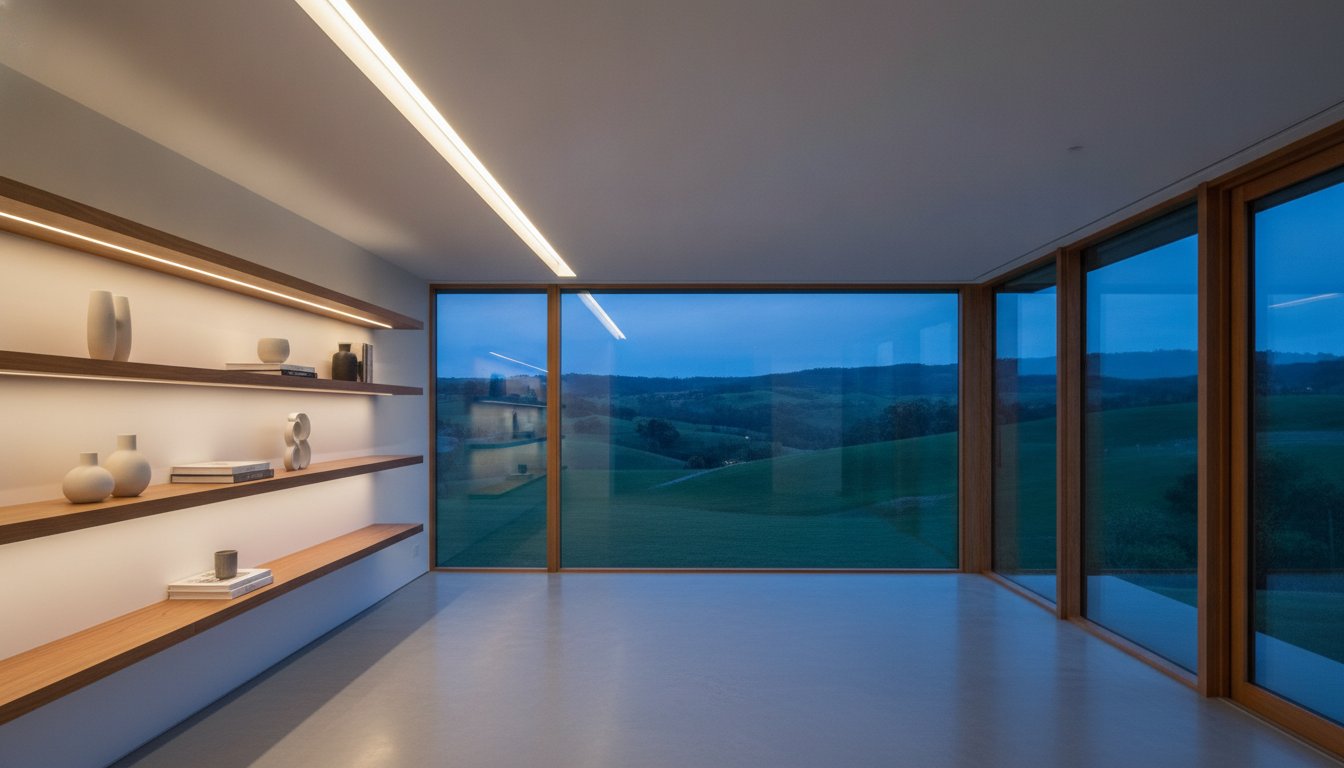
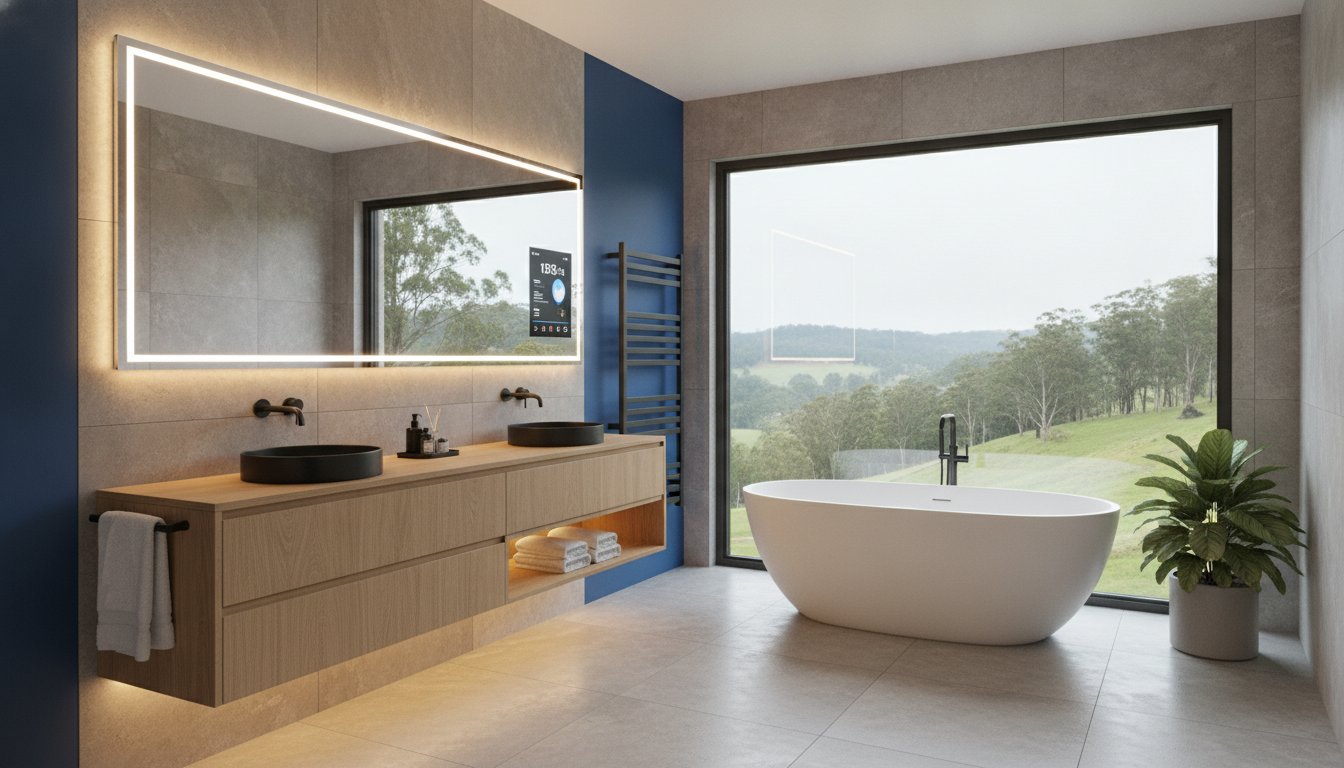
LED strips are a game changer for high-end renovations. By installing these discreet strips under a wall-hung vanity, you create a stunning "floating" effect that adds depth and serves as an excellent nightlight. We also frequently install them inside recessed shower niches to turn a simple storage spot into a resort-style focal point. If you're working with a property that has traditional high ceilings or ornate cornices, LED strip lighting southern highlands can be used to wash light upward, emphasizing heritage features without the need for bulky fixtures. This subtle touch adds a layer of luxury that standard bulbs simply cannot match.
Smart Lighting Controls and Sensors
Technology makes life easier, especially in the middle of the night. Motion sensors are a popular addition to a bathroom renovation electrical Sutton Forest. These sensors can trigger low-level LED strips under the vanity or behind a mirror when you walk in, preventing that jarring "blinding light" experience at 2 AM. You can also integrate your bathroom into a broader smart home system, allowing for voice-controlled "scenes" like "Relax" or "Morning Prep." Choosing the right colour temperature is equally vital. Warm white (around 3000K) is generally preferred for homes with natural timber or earthy tones, as it creates a cosy atmosphere. Cooler whites (4000K) work better in ultra-modern bathrooms with crisp white tiles and chrome fixtures to maintain a clean, clinical look.
Energy efficiency is the final piece of the puzzle. Modern LED upgrades use significantly less power than older halogen or incandescent globes, which is better for your wallet and the environment. These fixtures also run much cooler, reducing the risk of heat-related damage to your ceiling insulation. If you're ready to see how a professional layout can transform your space, the team at Edmund Parks Electrical can help you design a system that perfectly balances style with practical performance.
Heating and Comfort: Towel Rails and Underfloor Systems
Southern Highlands winters don't play fair. When you're mapping out your bathroom renovation electrical Sutton Forest, heating is often the difference between a room you tolerate and a room you love. Standard wall heaters often struggle with the high ceilings and stone surfaces common in our local homes. This is why integrated heating solutions have become the gold standard for 2026 renovations. These systems provide consistent, radiant warmth that doesn't just heat the air, but the surfaces you touch. However, these comfort features come with significant electrical demands. High-draw appliances like underfloor heating and powerful heat lamps require dedicated circuits to prevent tripping your breakers. It's a technical requirement that ensures your morning routine isn't interrupted by a sudden blackout.
Electric Underfloor Heating Considerations
Planning is everything for underfloor heating. The heating mats must be laid precisely before the screed and tiles are down, as they cannot be altered once the floor is set. We recommend placing the thermostat at eye level near the entrance so you can adjust settings without stepping onto a cold floor. For Sutton Forest homeowners, the total electrical load is a major factor. A standard electric underfloor system can add 2kW to 3kW to your home's consumption. If you're also running a kettle, a dryer, and a split-system elsewhere in the house, an older switchboard might struggle. We always assess your current capacity to ensure your home can handle the luxury of warm toes on a July morning.
Heated Towel Rails and Mirrors
Hard-wired heated towel rails are the preferred choice for a clean, professional finish. Unlike plug-in models that leave messy cords dangling near water sources, hard-wired versions are safer and more aesthetically pleasing. They also provide a steady heat that helps dry towels faster, reducing the chance of that damp, musty smell common in the Highlands. Beyond towels, integrated mirror heating pads are a 2026 must-have. These thin electric pads sit behind the glass to prevent fogging, meaning you don't have to wipe down the mirror after every shower. To keep running costs low, we integrate programmable timers into these systems. Based on 2026 electricity rates of 25c/kWh, a heated towel rail costs approximately 9 cents per hour to run. A timer ensures you're only paying for that warmth during the hours you actually use the room.
- Dedicated Circuits: Essential for underfloor heating to prevent circuit overloads.
- Hard-Wired Rails: Safer and more stylish than plug-in alternatives.
- Smart Timers: Reduce energy waste by only heating when necessary.
- Demister Pads: Keep mirrors crystal clear even in the steamiest bathrooms.
Ventilation and Power Point Placement
Effective ventilation is the unsung hero of any bathroom renovation electrical Sutton Forest project. Without it, your expensive new tiles and cabinetry will succumb to mould within seasons. To get it right, you need to calculate the extraction rate based on your room's volume. A standard bathroom needs about 15 to 20 air changes per hour. If your room is 3m x 2m x 2.4m, that's a volume of 14.4 cubic metres, requiring a fan that moves at least 216 to 288 m³/hr. Positioning is also critical. Placing the fan directly over the shower or bath captures steam at the source before it settles on surfaces. In many Sutton Forest heritage homes, simply venting into the roof space isn't enough. You must duct moisture directly to the external eaves to prevent rot in old timber rafters.
High-Performance Ventilation Systems
Standard ceiling fans often lack the power needed for large family bathrooms. High-extraction inline systems are a superior choice because the motor sits within the roof cavity, making them significantly quieter while moving much larger volumes of air. Proper ventilation protects your renovation investment from mould. When dealing with the steep pitches of Southern Highlands roofs, we ensure ducting is taut and direct. Any sag in the ducting can collect condensation, leading to leaks and reduced efficiency over time. It's a technical detail that prevents long-term structural damage.
Power Point Safety and Convenience
Strategic power point (GPO) placement is about more than just convenience; it's about strict compliance with Australian safety zones. In Zone 2, which is within 600mm of a water source, specific IP ratings and distance rules apply to every outlet. We often install GPOs inside vanity drawers to keep hair dryers and electric toothbrushes tucked away while they charge. This keeps your surfaces clutter-free and safe from accidental splashes. Modern renovations in 2026 also favour GPOs with integrated USB-C ports for charging smart mirrors or personal devices without bulky adapters. If you're ready to upgrade your layout, the team at Edmund Parks Electrical can install the latest safety-compliant power points tailored to your needs.
- In-Drawer Outlets: Perfect for keeping vanities minimalist and tidy.
- USB-C Integration: Future-proof your bathroom for modern grooming tech.
- Zonal Compliance: Ensuring every GPO is a safe distance from basins and showers.
- Inline Fans: The best choice for quiet, high-volume steam extraction.
Why Sutton Forest Renovations Need a Local Electrical Expert
Sutton Forest isn't like a standard suburban block. Many homes here are decades or even a century old, featuring unique architectural quirks that modern city electricians rarely encounter. A successful bathroom renovation electrical Sutton Forest project requires an understanding of these local conditions. Rural power grids in the Southern Highlands can be temperamental. Voltage fluctuations are more common here than in metropolitan areas. We design your electrical system to account for these inconsistencies. This ensures your high-end LED lighting and smart controls don't flicker or fail prematurely. We also coordinate closely with local builders to ensure the timing of our work fits perfectly with their construction schedule, avoiding costly delays.
Heritage Home Expertise
Older properties in our region often hide outdated wiring behind their walls. During a renovation, we frequently discover original cotton-covered or vulcanised rubber cabling. These materials degrade over time and present a significant fire risk. We safely replace these systems with modern, compliant wiring that can handle the load of 2026 appliances. Working with the thick stone or double-brick walls common in Sutton Forest requires specialized expertise. We use precision tools to install new power points and switches without damaging the structural integrity or the aesthetic of your heritage home. It's about respecting the property's history while providing the safety and convenience of a modern sanctuary.
The Edmund Parks Electrical Difference
We pride ourselves on being a local fixture. Our team combines professional reliability with the approachable charm you'd expect from a neighbour. When you work with us, you're getting a commitment to safety and peace of mind that goes beyond a standard service. We ensure every circuit meets the latest Australian standards, providing you with all necessary compliance certificates upon completion. We also offer ongoing support for your energy efficient upgrades. This ensures your bathroom remains a low-cost, high-performance space long after the tiles are dry. Our goal is to solve your technical problems with a straightforward, no-nonsense attitude.
Ready to transform your space? Getting a tailored quote for your bathroom renovation electrical Sutton Forest is the first step toward a safer, more beautiful home. We'll assess your current switchboard capacity and help you design a layout that perfectly balances modern luxury with the unique character of your property. Our transparent process means no hidden costs and a result that stands the test of time. Contact us today to discuss your vision and see how we can bring it to life with professional, local expertise.
Ready to Power Your New Sanctuary?
Transforming your bathroom is an investment in both your daily lifestyle and your home's long-term value. You now have a roadmap for navigating strict safety zones, choosing architectural lighting that creates a resort-style feel, and ensuring your ventilation is powerful enough for the Southern Highlands climate. A successful bathroom renovation electrical Sutton Forest project relies on balancing these modern luxuries with the technical demands of local heritage wiring and rural power stability. Getting the infrastructure right from the start prevents costly corrections and ensures your family's safety.
As fully licensed and insured NSW electricians, we specialize in the unique challenges of Southern Highlands heritage properties. We bring specific expertise in custom LED strip lighting and energy-efficient upgrades to every job we touch. We're here to provide the professional reliability and local knowledge you need for a stress-free renovation. Book Your Sutton Forest Bathroom Electrical Consultation Today to discuss your plans and secure a tailored quote. We look forward to helping you build a modern, compliant, and beautiful bathroom that stands the test of time.
Frequently Asked Questions
Do I need a specific permit for bathroom electrical work in Sutton Forest?
You don't need a separate council permit for electrical work, but you must receive a Certificate of Electrical Safety from your electrician. This document is a legal requirement in NSW for any fixed electrical installation. It proves the work complies with Australian standards and is essential for maintaining your home insurance coverage. Always keep this certificate on file for future property valuations or sales.
Can I install my own bathroom downlights to save money?
No, it's illegal to perform any DIY electrical work in Australia. Even simple tasks like swapping a light fixture or installing downlights must be completed by a licensed professional. For your bathroom renovation electrical Sutton Forest project, hiring a pro ensures all fittings are correctly earthed and moisture-protected. Unlicensed work carries heavy fines and could lead to your insurance claim being denied in the event of a fire or fault.
What is the best type of lighting for a small bathroom renovation?
Layered lighting is the most effective choice for small spaces. Use a combination of a central LED downlight for general brightness and a backlit mirror for shadow-free task lighting. Recessed LED strip lighting under a vanity is also excellent for small rooms. It adds a sense of depth and luxury without cluttering the ceiling or walls with bulky fixtures.
How much power does electric underfloor heating actually use?
Most electric underfloor heating systems use between 100 and 150 watts per square metre. If you have a five-square-metre bathroom, the system will draw approximately 500 to 750 watts while heating up. Once the floor reaches the desired temperature, the thermostat will cycle the power on and off to maintain warmth. Using a programmable timer ensures the system isn't running unnecessarily during the day or night.
What is a Zone 1 area in a bathroom and what are the rules?
Zone 1 is the area directly above your bath or shower, extending up to 2.5 metres from the floor. The rules for this zone are very strict to prevent electrocution. Any electrical equipment installed here must have an Ingress Protection (IP) rating of at least IPX4. You cannot install power points or standard light switches within this zone. Only specific water-resistant fixtures are permitted.
Why is my bathroom exhaust fan not clearing the steam properly?
Your fan is likely either undersized for the room or restricted by poor ducting. If the fan isn't ducted directly to an external vent, the moisture often gets trapped in the roof cavity and seeps back into the room. Check that the internal grille isn't blocked with dust. We often find that older fans lack the necessary extraction rate (m³/hr) to handle modern, high-pressure showerheads.
Do I need to upgrade my switchboard for a bathroom renovation?
You probably need an upgrade if your home still uses old-fashioned ceramic fuses or lacks modern safety switches (RCDs). Adding high-draw appliances like heated towel rails, underfloor heating, or powerful heat lamps increases the electrical load on your home. We check your switchboard's capacity during the initial consultation to ensure it can safely support your new bathroom features without overloading the circuits.
How many power points are legally allowed in a bathroom?
There's no legal limit on the number of power points you can have, but their placement is strictly regulated. Every power point must be installed outside of Zone 0, 1, and 2, or meet specific distance requirements from water sources. Most homeowners find that two double power points are sufficient. We often install one near the vanity and another hidden inside a cupboard for charging electric toothbrushes.