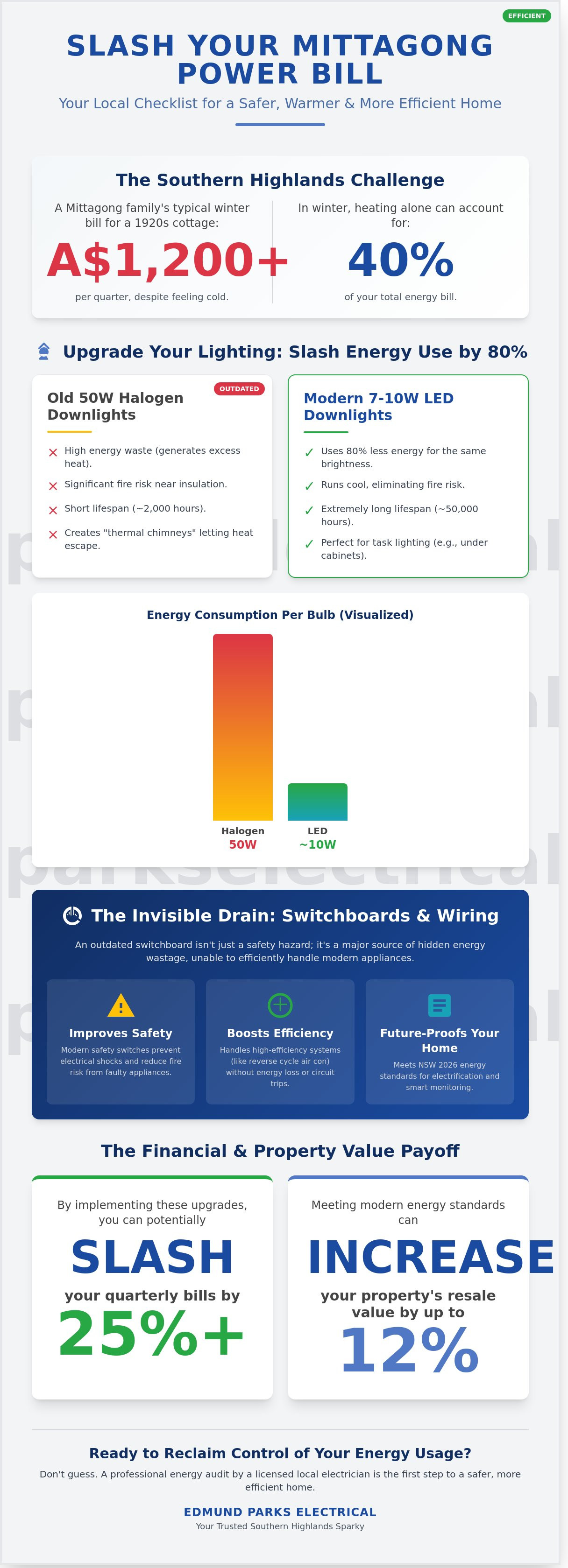
Last July, a Mittagong family in a 1920s heritage cottage watched their quarterly power bill climb past A$1,200 despite barely feeling warm. It's a common story in the Southern Highlands where aging switchboards and drafty floorboards turn winter into a financial headache. You likely agree that paying premium prices for a home that still feels chilly is a frustration no local should face. Finding effective strategies for energy saving mittagong homeowners can actually use shouldn't be a guessing game. It's about practical fixes that work for our unique climate and older housing stock.
I promise this checklist will help you reclaim control over your electricity usage and potentially slash your quarterly costs by 25% or more. We're going to look at everything from modern safety switch upgrades to the specific appliances draining your budget. My goal is to ensure your electrical system is safe enough to handle modern life without the nasty surprises in the mailbox. Here's your local-first guide to a safer, cheaper, and much warmer home for 2026 and beyond.
Key Takeaways
- Understand how the unique Southern Highlands climate impacts your power bills and why local-first upgrades are essential for 2026.
- Learn how to swap high-wattage halogen downlights for LEDs to slash your lighting energy draw by up to 80%.
- Discover why an outdated switchboard isn't just a safety hazard, but a major source of hidden energy wastage in your home.
- Get expert tips on optimizing rural infrastructure, from high-efficiency hot water systems to outdoor pump performance.
- Use our DIY checklist to master energy saving mittagong and find out when it’s time to call in a licensed local sparky for a professional audit.
Why Energy Saving in Mittagong Requires a Local Approach
Living in the Southern Highlands means dealing with a climate that's vastly different from the NSW coast. While Sydney homeowners focus on summer cooling, our priority shifts to those biting winter nights where temperatures regularly dip toward zero. Effective energy conservation principles aren't just about turning off lights. They're about understanding how your specific home interacts with the Mittagong environment. We see it every day: a strategy that works in Wollongong simply won't cut it here when the frost hits.
A heritage cottage in Bowral or Mittagong faces different efficiency hurdles than a 2024 new build in Renwick. Older homes often lack the thermal protection found in modern designs, making energy saving mittagong a matter of targeted electrical upgrades. A local sparky plays a vital role here. We identify regional energy leaks that others miss, such as outdated halogen downlights that let heat escape into the roof space or old switchboards that can't handle modern, high-efficiency appliances.
- Heritage Homes: Often require specialized rewiring to support modern insulation and LED transitions without damaging period features.
- New Builds: Must meet strict 7-star NatHERS ratings, requiring smart sensors and optimized circuit layouts.
- Regional Leaks: Identifying "thermal chimneys" created by poorly sealed exhaust fans and older lighting fixtures.
The Mittagong Winter Factor
Winter days in the 2575 postcode are notoriously short. By 4:30 PM, your residential lighting load spikes significantly. Data indicates that heating accounts for up to 40% of average Highlands energy bills during the colder months. We're seeing a massive transition from gas to electric heating across the Wingecarribee Shire. High-efficiency reverse cycle systems are replacing old flued gas heaters because they offer better control and lower running costs when paired with the right electrical setup.
NSW Energy Standards for 2026
The NSW energy regulations for 2026 place a heavy emphasis on electrification and smart monitoring. Modernizing your home to meet these standards isn't just a box-ticking exercise. It adds roughly 12% to your property's resale value in the local Highlands market. Buyers now look for energy-efficient certificates as a priority. Don't be tempted by "cheap" electrical fixes. These sub-par installations often lead to higher long-term costs through poor efficiency and safety risks. We always recommend using a fully licensed and insured professional to ensure your home stays safe and compliant.
The Lighting Efficiency Checklist: From Halogen to LED
Lighting is the easiest win for any homeowner looking into energy saving mittagong wide. Start your efficiency journey by auditing every room in the house. Look specifically for old 50-watt halogen downlights. These globes are notorious for wasting energy; they generate a massive amount of heat, which can even pose a fire risk if they aren't properly cleared from ceiling insulation. Swapping these out for high-quality LEDs can slash your lighting energy consumption by 80% immediately. While a standard halogen bulb pulls 50 watts of power, a modern LED equivalent provides the same brightness using only 7 to 10 watts. You can verify these efficiency gains by checking the official Australian Government appliance energy ratings before you buy your new globes.
- Audit every room: Count your high-wattage downlights and prioritize the most-used areas like the kitchen and lounge.
- Calculate the 80% saving: Moving from 50W to 10W per bulb adds up quickly across a 20-light home.
- Check for dimmers: Ensure your new LEDs are compatible with your existing dimmer switches to avoid flickering.
Upgrading to LED Strip Lighting
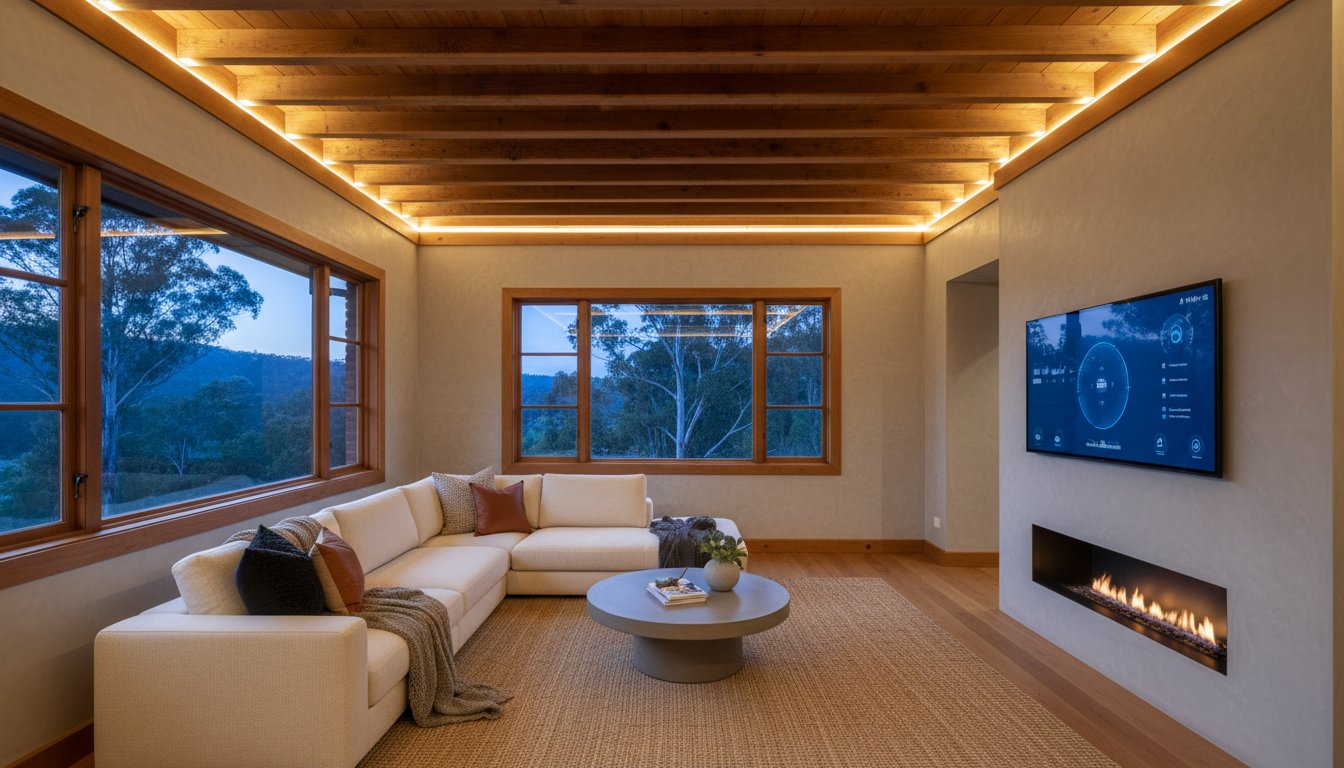
Task lighting is a smart way to manage energy saving mittagong residents often overlook. By installing custom LED strip lighting under kitchen cabinets or laundry shelving, you provide bright light exactly where you're working. This setup often eliminates the need to turn on every overhead light in the room just to make a sandwich or fold clothes. For homeowners in Bowral, this approach is a favorite because it blends modern efficiency with heritage aesthetics; it highlights architectural features without the bulk of traditional fixtures. Modern LEDs also offer incredible longevity. Most are rated for 50,000 hours of use, which is roughly 25 times longer than old-fashioned bulbs. You'll spend less on replacements and less time on a ladder.
Smart Lighting Controls
Automation takes the guesswork out of lowering your power bills. Motion sensors are a perfect addition for mudrooms, hallways, and outdoor areas, especially on larger rural properties where lights are easily left on overnight. Smart Wi-Fi lighting allows you to control your Mittagong home from a smartphone app. If you've left for a weekend trip and realized the porch light is still burning, you can switch it off from your phone. For a deeper dive into these options, read our LED Strip Lighting Southern Highlands Guide. If you want to see how these controls fit into your specific floor plan, our local licensed electricians can provide a tailored walkthrough of your home's potential.
The Invisible Drain: Switchboards and Wiring
Your switchboard is the heart of your home's electrical system. If your Mittagong property still relies on a board with ceramic fuses from the 1980s, you're likely losing money every second. Old components create electrical resistance. This resistance generates heat, which is essentially electricity you pay for but never use. True energy saving mittagong starts with a system that doesn't bleed power before it even reaches your appliances. Check your board today for any signs of discolouration or a faint humming noise. If you see these, your system is working too hard and wasting energy.
A crucial step in your 2026 efficiency checklist is verifying the capacity of your current board. Most older homes were designed for a maximum load of 40 to 60 amps. Modern households, equipped with EV chargers and high-efficiency heat pumps, often require 80 to 100 amps to operate without strain. You might find financial support for these upgrades via the NSW Government's Energy Savings Scheme, which helps homeowners transition to more efficient technology. Upgrading isn't just about safety; it's about creating a stable foundation for a low-cost home.
Signs Your Switchboard is Costing You Money
Frequent tripping is the most obvious red flag. It's a symptom of an overloaded, inefficient system that can't handle the demands of 2026 technology. When a circuit is pushed to its limit, it runs hot. This heat increases your bills and shortens the lifespan of your expensive devices. Modern appliances require updated circuit protection to run at their peak efficiency. By installing a new board with dedicated safety switches, you ensure that voltage remains consistent. This prevents the "brownout" effect that causes motors in fridges and air conditioners to draw excess current, which can spike your usage by up to 12% during peak periods.
Fault Finding for Energy Leaks
Electrical fault finding is a diagnostic process that identifies where power is escaping your system. In many older Southern Highlands cottages, wiring insulation from the 1960s has become brittle. This leads to "vampire power" leaks where electricity tracks to the earth through wall cavities or damp conduits. It's a hidden cost that won't show up on a standard visual inspection. We use thermal imaging and insulation resistance testers to pin-point these leaks without tearing your walls apart.
"A modern switchboard is the brain of an energy-efficient home."
Fixing these minor faults can reduce your base load power consumption significantly. As your local, fully licensed and insured sparkies, we've seen Mittagong homes reduce their quarterly bills by A$150 just by rectifying a single faulty circuit. Don't let a "set and forget" attitude toward your wiring undermine your other energy-saving efforts.
Climate Control and Rural Property Efficiency
Mittagong winters aren't kind to your power bill. When the mercury drops, your systems work double time to keep the frost at bay. Achieving real energy saving mittagong homeowners can rely on starts with your heavy hitters: heating and water. It's not just about turning things off. It's about ensuring the infrastructure you have is performing at its peak.
Efficient Water Heating in the Highlands
Hot water is a beast. It's usually the second largest energy drain in Highlands homes, often making up 25% of your total quarterly bill. Traditional electric storage tanks are outdated and expensive to run. We recommend switching to heat pump technology. These units are up to three times more efficient than standard electric heaters because they move heat rather than creating it. By timing your heating cycles to off-peak windows or syncing them with your solar peak, you can shave A$600 or more off your annual expenses. It's a simple change that delivers immediate results.
Rural Property Specifics
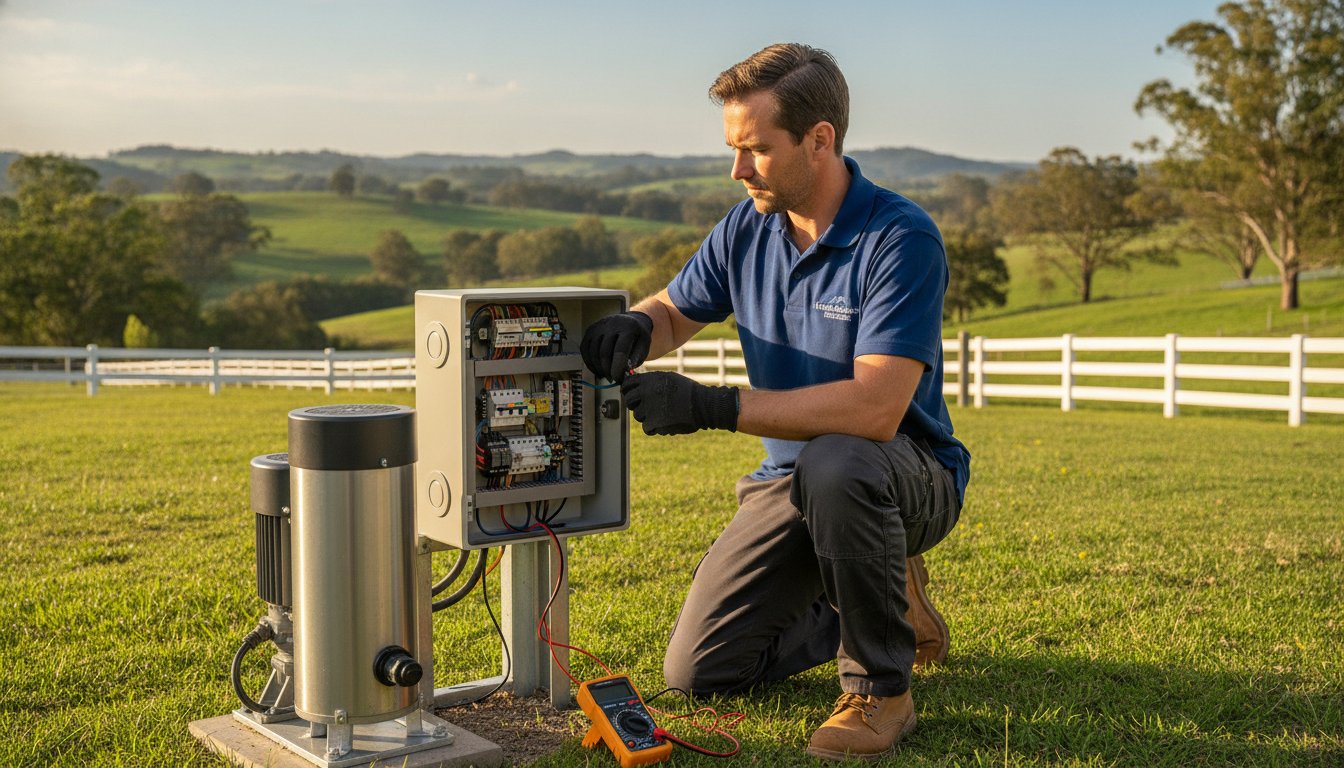
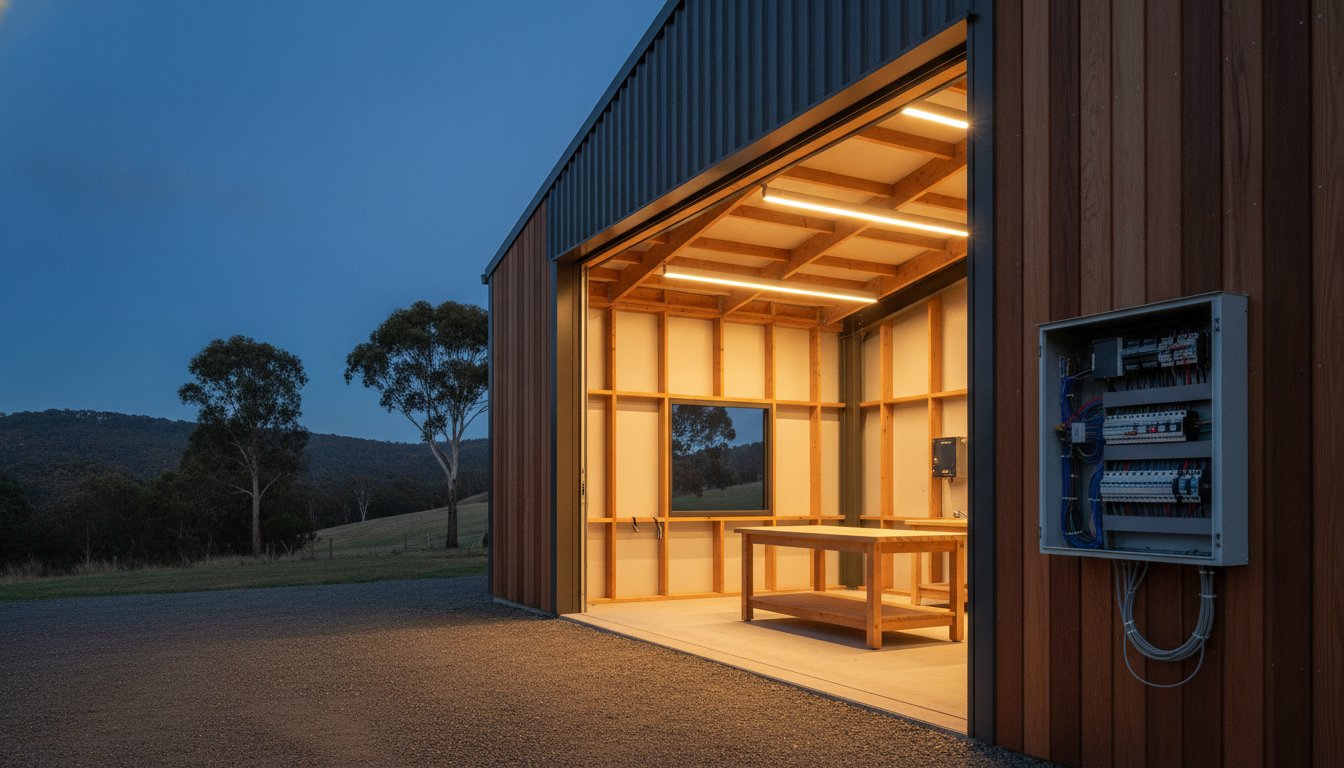
Properties in Kangaloon or Exeter often struggle with voltage drop over long lines to outbuildings. This makes energy saving mittagong rural owners seek more difficult to achieve without a professional audit. Bore pumps and stock water systems are often silent budget killers. A faulty pump or a leak in a shed circuit can spike your usage without warning. We find that old wiring in sheds isn't just a safety risk; it's also inefficient. Ensuring your outbuildings are solar-ready and your pumps use variable speed motors can reduce rural power consumption by 30% compared to older, fixed-speed alternatives.
Use this checklist to secure your property's efficiency before the next season hits:
- Assess your hot water system: If your tank is over 10 years old, it's likely losing significant heat through degraded insulation. Transitioning to a heat pump is the most effective upgrade for 2026.
- Reverse your ceiling fans: Most fans have a winter mode switch. Running them clockwise at a low speed pushes trapped warm air down from the ceiling. This simple trick can lower your heating costs by 10%.
- Inspect electrical penetrations: Check the gaps around downlights and exhaust fans. Small openings in your ceiling allow treated air to escape into the roof cavity. Sealing these penetrations can stop up to 15% of your home's total heat loss.
- Audit outdoor infrastructure: Check that your shed wiring isn't draining your main house supply through ground faults or outdated equipment.
Need a professional eye to check your rural wiring or upgrade your hot water? Contact your local experts at Edmund Parks Electrical for a safety and efficiency audit today.
Next Steps: Booking Your Mittagong Energy Audit
Taking control of your power bills starts with a clear plan. You've already identified the weak spots in your home using our checklist. Now it's time to turn those observations into measurable results. Follow these four steps to secure your home's efficiency for 2026 and beyond.
- Step 1: Conduct a DIY walkthrough. Use the checklist from the previous sections to flag obvious issues. Check for draughts around windows and count how many old-style halogen bulbs are still sucking power in your ceiling.
- Step 2: Schedule a professional audit. While a DIY check is a great start, a licensed Mittagong electrician uses specialized tools to find hidden energy leaks. This is the most effective way to kickstart your energy saving mittagong strategy.
- Step 3: Prioritize upgrades based on ROI. Don't try to fix everything at once. Focus on the changes that offer the fastest payback. For example, replacing a 15 year old hot water system can save you over A$400 annually.
- Step 4: Implement smart monitoring. Install a real-time energy monitor. These devices provide a live feed of your consumption to your smartphone, helping you spot "vampire loads" from appliances left on standby.
What to Expect in a Professional Audit
A professional audit goes far beyond a simple visual inspection. We use high resolution thermal imaging to scan your switchboard and connection points. This identifies "hot spots" where loose connections are wasting electricity and creating significant fire risks. We also perform a deep dive into your Endeavour Energy meter data from the last 12 months. This reveals usage patterns and spikes you might not even know exist. You'll receive a customized roadmap tailored to your specific property type, whether it's a heritage cottage or a modern 2020s build. We've found that these audits typically identify potential savings of 15% to 25% on annual utility costs.
The Edmund Parks Difference
Local knowledge is vital when you're trying to cut costs in the Southern Highlands. We understand the unique climate challenges of Mittagong and Bowral, where winter heating can account for up to 48% of your yearly energy spend. Our team is fully licensed and insured, providing a blend of technical expertise and friendly, no-nonsense service. We don't suggest unnecessary gadgets. We focus on safety, efficiency, and honest local advice that actually works for our community. This focus on specialized knowledge is a universal principle; it's why people seek out experts for everything from home electrics to cultural education, like that offered by the Nunawading Japanese School. A standard professional energy assessment for a three bedroom home starts at approximately A$350, a small investment for long-term peace of mind. Book your energy saving consultation with Edmund Parks Electrical today to ensure your home is running at peak performance.
Take Control of Your Home Efficiency Today
Mittagong's unique climate and heritage architecture mean standard solutions don't always cut it. Upgrading from outdated halogens to custom LED setups can slash your lighting energy consumption by up to 80% immediately. Beyond just bulbs, a modernized switchboard ensures your 2026 power demands are met safely without the risk of electrical fires or constant circuit tripping. Our team at Edmund Parks Electrical understands the specific needs of rural properties and older homes across the Southern Highlands. We're fully licensed and insured NSW electricians who take pride in providing practical, local advice that actually works. Achieving long-term energy saving mittagong wide starts with identifying where your home is leaking money and power. Don't let old wiring or inefficient appliances drive up your A$400 quarterly bills when simple, professional fixes are available. We'll help you navigate the latest efficiency standards and heritage requirements with ease. It's time to make your property safer and more affordable to run for years to come.
Get a Professional Energy Audit for Your Mittagong Home
We're ready to help you build a more efficient future for your family right here in the Highlands.
Frequently Asked Questions
How much can I really save by switching to LED lighting in Mittagong?
You can reduce your lighting energy consumption by up to 80% by switching to LEDs. A standard halogen bulb uses 60 watts, while a high-quality LED replacement uses only 9 watts to produce the same brightness. For a typical three-bedroom home in Mittagong, this swap saves approximately A$250 on annual power bills. It's one of the simplest steps for energy saving mittagong households can take right now.
Is a switchboard upgrade necessary for energy efficiency?
A switchboard upgrade is often essential for modern energy efficiency. Older boards weren't designed for the 2026 standards of high-draw appliances or solar PV systems. Upgrading ensures your circuits handle loads without resistance heat loss. We install new RCDs and circuit breakers that provide a 100% safety guarantee while managing your home's power distribution more effectively. It stops power wastage from outdated, buzzing ceramic fuses.
What are the best energy-saving tips for older homes in Bowral?
Older Bowral homes benefit most from sealing air leaks and upgrading to heavy-duty ceiling insulation rated at R5.0 or higher. You should also replace original single-pane windows with double glazing to reduce heat loss by 40% during frosty Southern Highlands nights. Our team can check your 30-year-old wiring for leaks. Faulty circuits in heritage homes often waste 5% of your total power through heat dissipation.
Does a safety switch help with energy saving?
Safety switches don't directly lower your bill, but they protect your life by cutting power in 0.03 seconds during a fault. However, a safety switch that trips frequently might indicate a leaky appliance or faulty wiring that's wasting electricity. As fully licensed and insured electricians, we find these faults to ensure your system is both safe and efficient. Your peace of mind is our top priority.
How long does a typical home energy audit take?
A professional home energy audit usually takes between 60 and 90 minutes. During this time, we inspect your switchboard, lighting, and major appliances for efficiency gaps. We provide a clear, no-nonsense report with 5 to 10 actionable steps to cut costs. It's a quick process that identifies exactly where you're losing money. We've helped local families reduce their consumption by 15% following a single visit.
Are there NSW government rebates for energy-efficient upgrades in 2026?
Yes, the NSW Government's Energy Savings Scheme (ESS) provides incentives for upgrading to energy-efficient appliances and heat pump hot water systems in 2026. These rebates can cover up to A$1,000 of the installation costs for eligible households. You can also access the Peak Demand Reduction Scheme to save on battery storage. We stay updated on these local regulations to ensure you get every dollar you're entitled to.
Can smart home tech really lower my Southern Highlands power bill?
Smart home technology can lower your Southern Highlands power bill by 10% to 15% through precision control. Smart thermostats and automated lighting ensure you aren't heating empty rooms or leaving lights on overnight. By scheduling high-draw appliances to run during off-peak hours, you take advantage of lower tariffs. It's a modern way to manage energy saving mittagong goals without sacrificing your daily comfort.
Why is my electricity bill so much higher in winter than summer?
Your winter bill is higher because heating a home in the Southern Highlands requires more energy than cooling it. Temperatures in Mittagong often drop below 5 degrees Celsius in July, forcing reverse cycle air conditioners to work 3 times harder. Water heaters also consume 20% more power in winter to warm up the freezing intake water. Proper maintenance of your heating system ensures it runs at peak efficiency all season.